
The Ultimate Guide to Primitivo Wine Grape: Everything You Need to Know
Introduction
Primitivo, a wine grape native to Italy, has been gaining popularity in the United States for its rich, bold flavors and deep history. Often compared to Zinfandel, Primitivo offers wine enthusiasts a taste of Italy’s terroir, with a unique profile that sets it apart. Whether you are a seasoned wine connoisseur or a casual enthusiast looking to explore new varieties, Primitivo wine offers a journey into the heart of Italian viticulture. In this guide, we will delve deep into the history, characteristics, and best practices for enjoying Primitivo wine, helping you appreciate why this grape is becoming a favorite among American wine buyers.
Chapter 1: The History of Primitivo Wine Grape
Origins and Migration
The Primitivo grape has a rich history that dates back centuries. Its origins are believed to be in the Dalmatian coast of Croatia, where it was known as Tribidrag. The grape made its way to southern Italy in the 18th century, where it found a home in the region of Puglia. The name “Primitivo” comes from the Latin word “primativus,” meaning “first to ripen,” a nod to its early ripening characteristics.
Primitivo and Zinfandel: A Shared Heritage
Primitivo is often associated with the Zinfandel grape found in California, and for good reason. DNA testing in the late 20th century revealed that Primitivo and Zinfandel are genetically identical, though they have developed distinct characteristics due to the different terroirs and winemaking practices. This connection has sparked interest in Primitivo among American wine lovers, as it offers a familiar yet distinct experience.
Chapter 2: Characteristics of Primitivo Wine
Flavor Profile
Primitivo wines are known for their bold flavors and rich texture. The typical flavor profile includes dark fruit notes such as blackberry, plum, and black cherry, often accompanied by spicy undertones of black pepper, licorice, and sometimes even chocolate. The wine’s high alcohol content, usually around 14-16%, contributes to its full-bodied nature and warming finish.
Aromas and Color
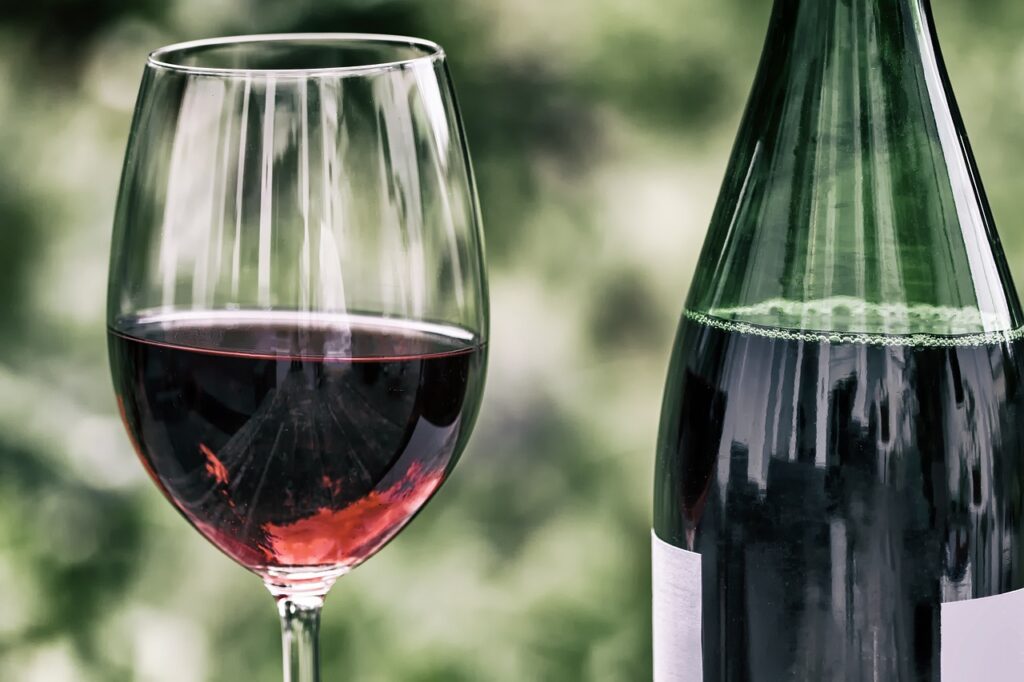
The aroma of Primitivo wine is as rich as its flavor, with a bouquet that often includes hints of jammy fruits, dried herbs, and earthy notes. On the visual side, Primitivo wines typically exhibit a deep, dark red color, almost inky in intensity, reflecting the wine’s richness and concentration.
Tannins and Acidity
Primitivo wines generally have moderate to high tannins and medium acidity, which gives them a balanced structure. This balance makes Primitivo an excellent choice for aging, allowing the wine to develop more complex flavors over time.
Chapter 3: Regions Where Primitivo is Grown
Puglia: The Heartland of Primitivo
Puglia, located in the heel of Italy’s boot, is the primary region where Primitivo is cultivated. The warm Mediterranean climate, with its hot summers and mild winters, provides the perfect conditions for this grape to thrive. The region’s soil, a mix of limestone and clay, adds to the grape’s distinctive characteristics, producing wines that are both robust and elegant.
Other Growing Regions
While Puglia is the most famous region for Primitivo, the grape is also grown in other parts of southern Italy, as well as in some regions of the United States, where it is often referred to as Zinfandel. These different growing conditions can lead to slight variations in the wine’s flavor profile, offering wine enthusiasts a range of experiences to explore.
Chapter 4: Pairing Primitivo Wine with Food
Ideal Pairings
Primitivo’s bold flavors and full body make it an excellent pairing for hearty dishes. It pairs wonderfully with rich meats such as grilled steaks, lamb, and barbecue ribs. The wine’s spicy notes complement dishes with robust flavors, including spicy Italian sausages, meat-based pasta sauces like ragù, and aged cheeses like Pecorino or Parmigiano-Reggiano.
Vegetarian Pairings
For those who prefer plant-based dishes, Primitivo can be paired with roasted vegetables, especially those with a bit of char, such as grilled eggplant, zucchini, or portobello mushrooms. Tomato-based dishes, such as ratatouille or a hearty tomato stew, also pair well with the wine’s acidity and fruity notes.
Dessert Pairings
Primitivo’s richness can also be enjoyed with desserts, particularly those featuring dark chocolate or berries. A chocolate torte or a berry compote with a touch of spice can enhance the wine’s natural sweetness and complexity.
Chapter 5: How to Serve and Enjoy Primitivo Wine
Serving Temperature
Primitivo wine is best served at a slightly cooler temperature than room temperature, ideally between 60-65°F (16-18°C). This temperature allows the wine’s flavors to fully develop without the alcohol overpowering the palate.
Decanting
Decanting Primitivo for about 30 minutes before serving can help to open up the wine, allowing its complex aromas to breathe and the tannins to soften. This is particularly recommended for older vintages or more robust expressions of the grape.
Glassware
A large, wide-bowled glass is ideal for enjoying Primitivo wine, as it allows the wine to breathe and concentrates the aromas towards the nose. This type of glassware enhances the overall tasting experience, bringing out the full depth and complexity of the wine.
Chapter 6: Notable Primitivo Wines to Try
Top Producers in Puglia
Several producers in Puglia have earned international acclaim for their Primitivo wines. Notable names include Feudi di San Marzano, Cantine Due Palme, and Tormaresca. These wineries offer a range of Primitivo wines, from more accessible bottles to premium selections that showcase the grape’s full potential.
Primitivo di Manduria
One of the most celebrated expressions of Primitivo is Primitivo di Manduria, a DOC wine from the Manduria area in Puglia. This wine is known for its intense fruit flavors, rich body, and smooth finish. It is often aged in oak barrels, adding layers of vanilla and spice to the already complex profile.
Exploring Zinfandel
For those interested in exploring the relationship between Primitivo and Zinfandel, tasting wines from California’s top Zinfandel producers can provide an intriguing comparison. While Zinfandel tends to be fruitier and more jammy, the similarities between the two wines are undeniable and offer a deeper understanding of the grape’s versatility.
Chapter 7: Primitivo Wine in the United States Market
Growing Popularity
In recent years, Primitivo has seen a surge in popularity in the United States. Wine enthusiasts are drawn to its bold flavors, rich history, and the connection to Zinfandel. As American consumers become more adventurous in their wine selections, Primitivo is becoming a staple in wine shops and on restaurant menus across the country.
Availability and Pricing
Primitivo wines are widely available in the U.S., with options ranging from affordable everyday wines to premium bottles. The price of Primitivo can vary significantly depending on the producer and the wine’s age, but it generally offers excellent value for money, particularly when compared to other wines of similar quality.
Where to Buy
Primitivo wines can be found in most wine retailers, both in-store and online. Specialty wine shops, Italian delis, and even large grocery chains often carry a selection of Primitivo wines. For those looking for specific labels or aged bottles, online wine retailers offer a broader range of options and the convenience of delivery.
Conclusion
Primitivo is more than just a grape; it’s a gateway to experiencing the rich tradition of Italian winemaking. Whether you’re new to wine or a seasoned connoisseur, Primitivo offers a complex yet accessible profile that can be enjoyed on its own or paired with a variety of dishes. With its growing popularity in the United States, now is the perfect time to explore what Primitivo has to offer. From its deep historical roots to its modern-day expressions, Primitivo is a wine that deserves a place in every wine lover’s collection.