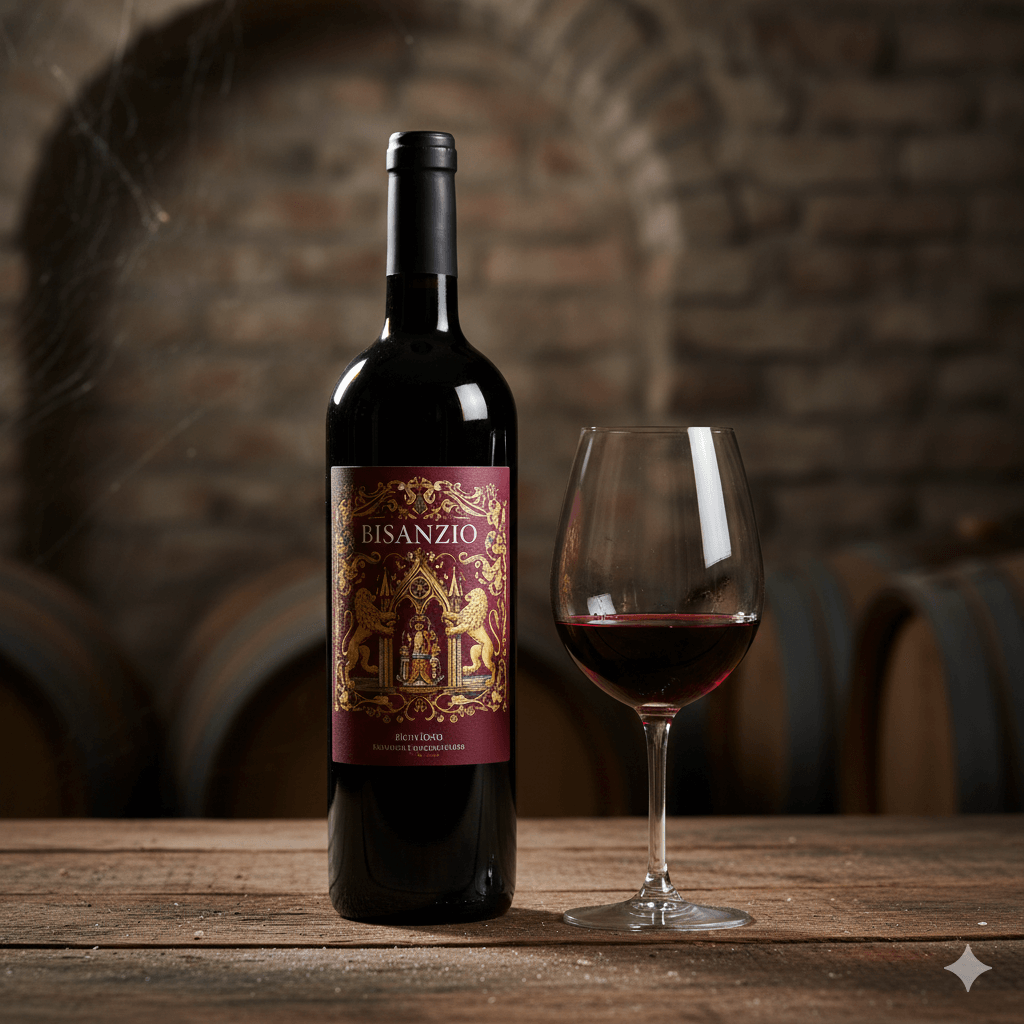

In the vast panorama of oenology, few regions command as much respect and historical intrigue as the Veneto. Amidst the giants of Valpolicella and Prosecco, there exists a niche of boutique labels that tell a specific story of cultural convergence. One such narrative is found within the bottle of a bisanzio Italian wine. The name itself evokes the glorious past of the Venetian Republic and its deep ties to the Byzantine Empire—a golden age of trade, art, and refinement. For wine enthusiasts and industry professionals navigating the market in 2026, understanding the ‘Bisanzio’ label is not just about tasting fermented grapes; it is about appreciating a lineage of winemaking that balances robust tradition with modern palate demands. This article explores the origins, sensory profile, and enduring appeal of these distinct wines.
The historical resonance of the bisanzio name
When you uncork a bottle of bisanzio italian wine, you are engaging with far more than a vintage from the Veneto region; you are immersing yourself in a narrative that spans over a millennium. The name itself is a direct reference to *Byzantium*, the ancient capital of the Eastern Roman Empire, representing an era of unparalleled opacity, gold-laden aesthetics, and cultural sophistication.
For centuries, the Veneto region served as the definitive bridge between the West and the East. While the rest of Europe was often fragmented, Northern Italy thrived through a profound symbiosis with the Byzantine world. This relationship was not limited to the trade of silk and spices; it fundamentally shaped the region’s art, architecture, and agriculture. The influence of the East is visible in the glittering mosaics of Venice and, crucially, in the viticultural traditions that traveled across the Adriatic Sea, bringing new complexity to local cultivation.
We have chosen this name to position our wine not merely as a beverage, but as a cultural artifact. Just as the Byzantine aesthetic was characterized by intricate detail and enduring richness, the Bisanzio label reflects a commitment to wines that possess structural elegance and historical depth.
By adopting this title, we honor the legacy of the *Serenissima* and its role as the gateway to the Orient. It is a deliberate branding choice that appeals to those who seek substance behind the label, transforming the act of tasting into a journey through Northern Italy’s most glorious historical chapter.
The venetian terroir behind the label
To truly understand the character of bisanzio italian wine, one must look beyond the bottle to the vineyards themselves. The agricultural legitimacy of these blends is rooted in the unique topography of the Veneto region, a territory defined by a harmonious contrast between alpine foothills and alluvial plains. The terroir here offers a distinct advantage for viticulture. Protected by the Dolomite mountains to the north and mitigated by the Adriatic Sea to the south, the vineyards benefit from a microclimate that ensures optimal diurnal temperature variation. This significant shift between day and night temperatures is crucial for preserving natural acidity while allowing full phenolic maturity in the grapes. Beneath the vines, the soil composition dictates the structural integrity of the wine. Our production area relies on a geological mix ranging from:
- Calcareous, rocky substrates found in the hillier zones, which impart essential minerality and aromatic finesse.
- Sedimentary clay and sand typical of the plains, responsible for delivering depth, body, and color intensity. This geological diversity allows for the cultivation of grapes—standard for IGT Veneto classifications—that possess a balance of power and elegance. The clay soils provide the structure and body required for a robust profile, while the lighter, mineral-rich soils contribute fresh, savory notes that prevent the wine from becoming heavy. Ultimately, the quality of the final product is a direct translation of this sedimentary heritage. It is the specific interaction between these soils and the Venetian microclimate that imparts the distinctive mineral salinity and structural depth found in every glass, grounding the brand in tangible agricultural excellence.
Exploring the red varietals: depth and complexity
The allure of the bisanzio italian wine collection is perhaps most palpable in its red varietals. Typically crafted from sophisticated blends—often harmonizing the softness of Merlot with the structural integrity of Cabernet—these wines command attention from the moment they are poured. The visual presentation is striking, characterized by a deep ruby red hue with violet reflections, signaling the vitality and concentration held within the glass.
Approaching the glass, the olfactory profile reveals a layered bouquet that speaks to the quality of the viticulture. The nose is greeted by intense aromas of ripe red berries, such as blackberries and cherries, which provide a lush, fruity foundation. As the wine opens up, these primary notes evolve into more complex nuances. Connoisseurs will often detect subtle hints of sweet spices and a delicate herbaceousness, adding an element of intrigue that invites a thoughtful tasting.
On the palate, the experience is defined by impeccable balance. The wine presents a medium-to-full body that envelops the mouth effectively without appearing heavy. The tannin structure is polished—firm enough to suggest aging potential yet velvety enough for immediate enjoyment. This structural integrity supports a persistent finish, leaving a lasting impression of fruit and earth.
These red blends are designed for a complete sensory experience. The interplay between the robust body and aromatic complexity makes them versatile companions for dining, capable of standing up to rich dishes while maintaining their own distinct, sophisticated character.
The white wines: crispness and aromatic elegance
The reputation of bisanzio italian wine is frequently anchored by its meticulous approach to white varietals. Moving beyond the standard expectations of Pinot Grigio or Chardonnay blends, this collection emphasizes a philosophy of absolute purity. The production strategy prioritizes the integrity of the grape, ensuring that the final pour reflects the true characteristics of the terroir rather than heavy-handed intervention. To achieve this level of clarity, the fermentation process is strictly managed through temperature-controlled stainless steel tanks. This technique is crucial for preserving the grape’s natural acidity and preventing premature oxidation. By avoiding excessive oak contact during the early stages, the winemakers successfully lock in the volatile aromatic compounds that define the wine’s inherent freshness. The result is a sensory profile characterized by crisp acidity and aromatic elegance. On the palate, these wines unfold with distinct notes of:
- Crisp green apple and ripe pear.
- Vibrant citrus zest.
- Delicate floral aromas such as hawthorn or white flowers. This specific balance addresses the evolving preferences of the modern market. As we analyze trends in 2026, consumers are increasingly seeking wines that offer immediate refreshment without sacrificing structure. These white wines cater precisely to that demand, offering a sophisticated drinking experience that is light enough for a casual aperitif yet possesses the backbone required to accompany contemporary cuisine.
Winemaking philosophy: balancing tradition and modernity
The creation of bisanzio italian wine represents a deliberate symbiosis between time-honored customs and cutting-edge enological science. To achieve the distinctive character expected from a boutique label, the production methodology moves beyond simple crushing and fermenting. It requires a nuanced approach where the wisdom of the past informs the precision of the present.
At the heart of this process lies a dualistic approach to fermentation. The production likely utilizes traditional maceration techniques, allowing the grape skins to remain in contact with the juice for extended periods. This age-old practice is essential for extracting deep, stable colors and the complex tannins that give the wine its structural backbone and longevity.
However, relying solely on tradition can sometimes lead to inconsistency. Therefore, this is critically balanced by modern temperature-controlled fermentation. By strictly regulating the thermal environment within stainless steel tanks, winemakers preserve the delicate primary aromas that would otherwise be lost to excessive heat. This technical intervention ensures that the final product retains a vibrant freshness and aromatic clarity that appeals to the contemporary palate, without sacrificing the wine’s rustic soul.
Beyond the chemistry of fermentation, the reputation of the Bisanzio line rests on uncompromising quality control. In the realm of boutique labeling, there is no margin for error; a single flaw can tarnish the brand’s standing. Consequently, the production involves rigorous analytical testing at every stage, from the initial grape selection to the final bottling. This strict adherence to high standards guarantees that every bottle offers a reliable, high-quality experience, satisfying the technical curiosity of connoisseurs who value the “how” as much as the “what.”
Culinary pairings for the complete experience
To truly understand the character of a vintage, one must experience it in its natural habitat: the dining table. A bottle of bisanzio italian wine is crafted not merely to be sipped in isolation, but to engage in a dialogue with the cuisine it accompanies. The structural integrity of these wines allows them to cut through rich textures while respecting delicate flavors, making them an exceptionally versatile choice for sommeliers and enthusiasts alike. To honor the label’s heritage, one should look first to the traditional gastronomy of the Veneto region. The interplay between local produce and the wine’s terroir creates a harmonious balance that is difficult to replicate.
- Risi e Bisi: The herbaceous notes often found in Bisanzio whites perfectly complement the sweetness of fresh peas in this traditional Venetian rice dish, balancing the savory broth with a crisp finish.
- Baccalà Mantecato: The creamy, whipped salt cod requires a wine with sufficient acidity and structure to cleanse the palate. A structured Bisanzio vintage cuts through the richness of the olive oil emulsion, refreshing the mouth after every bite. However, the versatility of this label extends far beyond regional borders. For those curating an international menu, these wines stand up impressively against robust global flavors. A full-bodied red from the Bisanzio selection provides the necessary tannins to tame succulent grilled meats, such as an Argentine Asado or a slow-roasted lamb leg, where the protein softens the wine’s edges. Even with aged cheeses or savory mushroom-based dishes typical of French cuisine, the wine serves as an elevator of taste. It creates a dining scenario where the glass is not an accessory, but a central component of the meal. By choosing the right pairing, you transform a simple dinner into a complete sensory experience, allowing the complex bouquet of the wine to unfold exactly as the winemaker intended.
The role of boutique labels in the 2026 wine market
As we analyze the trajectory toward 2026, the global wine market is witnessing a fundamental shift in value perception. The consumer appetite for anonymous, mass-produced blends is rapidly diminishing. In its place, we are seeing a robust demand for authenticity and distinct provenance. Today’s enthusiasts are no longer satisfied with generic options; they are seeking a narrative that connects them directly to the terroir. This cultural pivot explains why specific, historically rooted labels are gaining significant traction against industrial giants.
When a customer chooses a bisanzio italian wine, they are not merely selecting a beverage; they are engaging with a legacy. We understand that in this evolved marketplace, the story behind the bottle is just as potent as the vintage itself. Consumers want to know the lineage, the region, and the tradition that shaped the flavor profile. Furthermore, the definition of a “boutique” experience has expanded to include visual impact. Packaging and presentation play a decisive role in the purchasing decision, serving as the first point of contact between the brand’s history and the consumer.
- Visual Storytelling: The label design must intuitively reflect the wine’s historical weight and Venetian roots.
- Tactile Quality: Premium paper stocks and finishes signal the care taken in production before the bottle is even opened.
- Shelf Presence: A distinct identity allows the wine to command attention on both physical shelves and digital storefronts. By combining a compelling heritage with sophisticated presentation, boutique labels bridge the gap between traditional craftsmanship and modern consumer expectations. This focus on curated quality over industrial quantity is not just a trend; it is the standard that defines the future of Italian oenology.
Conclusione
As the global appreciation for Italian viticulture continues to mature, labels like Bisanzio stand as testaments to the region’s ability to innovate while honoring its past. Whether for a private collection, a restaurant wine list, or a retail selection, choosing a bisanzio italian wine is an investment in a rich narrative of Venetian history and oenological expertise. For those seeking to elevate their portfolio or palate, the journey begins with a single glass, discovering the nuanced bridge between the Byzantine legacy and modern Italian excellence.